
Visa Document Upload Size Limits: US, Canada, UK and Australia Compared
CEAC allows roughly 2 MB, IRCC 4 or 5 MB, the UK portals 2 to 6 MB, ImmiAccount 5 MB — and all four reject files for reasons that have nothing to do with size. Here are the limits side by side, and the failures they share.
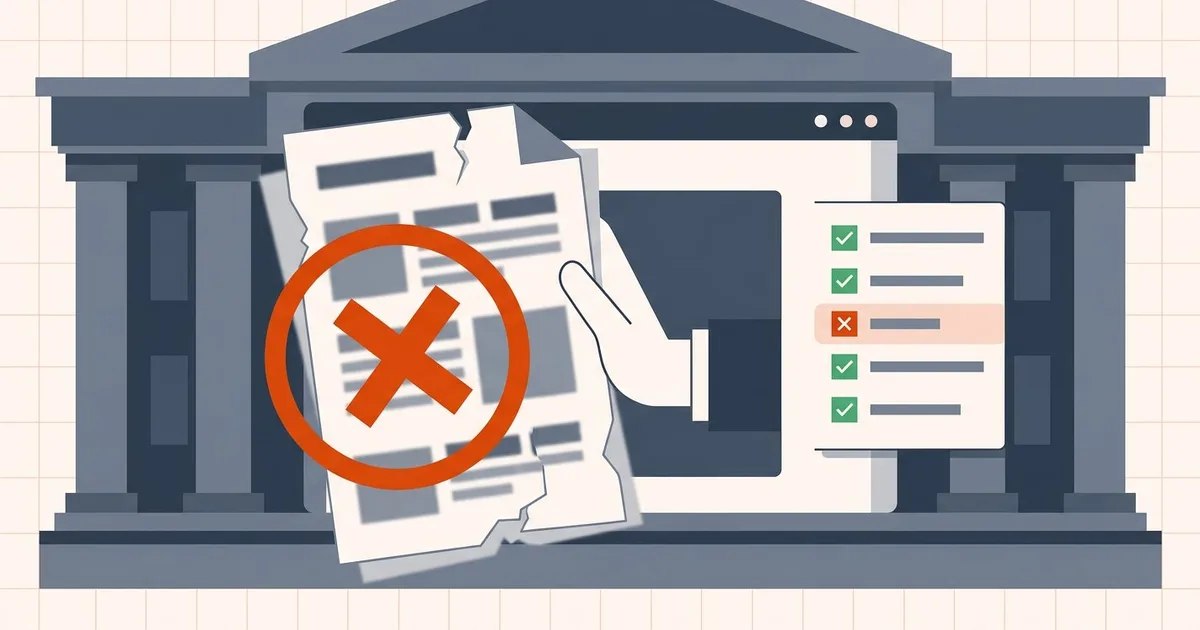
Few frustrations rival preparing a visa application for hours only to have a portal flash a generic error: "Document validation failed" or "File cannot be processed."
The reason it feels arbitrary is that portals are not checking what email checks. An email server asks one question — does the encoded message fit? A government portal validates structure, signatures, fonts, text layers, format, and filename. A file can be well under the size limit and still be refused.
Why portals are stricter than email
Automated ingestion engines check things a human recipient never would:
- Structural integrity — cross-reference tables, object streams, page trees
- Text layers — whether the document is searchable, not just an image of text
- Font embedding — whether text renders identically on the reviewer's machine
- Signature state — whether a cryptographic signature still validates
- Format and filename — strict allow-lists, not suggestions
- Accessibility tags — required by some public-sector validators
A compressor optimized purely for size can break several of these at once. That is the trap: the thing that makes the file small is the thing that makes it unacceptable.
The four major systems compared
| System | Per-file limit | Realistic target | Accepted formats | Distinctive rule |
|---|---|---|---|---|
| US — NVC / CEAC | ~2 MB (some NVC pages say 4 MB) | Under 2 MB, with margin | PDF, JPG, JPEG | One document per file; no ZIP or password-protected files |
| Canada — IRCC | 4 MB on most accounts, 5 MB on the IRCC Portal | Under 4 MB unless the page says otherwise | PDF, TIFF, JPG, PNG, DOC, DOCX | Only one file is saved per field |
| UK — UKVCAS / VFS / TLScontact | 6 MB / 2 MB / ~4 MB, reported per provider | 10–15% under your provider's cap | PDF preferred; JPG, PNG | Oversized files fail silently |
| Australia — ImmiAccount | 5 MB | Under 5 MB | PDF, JPG, PNG | 30–60 files total by application type |
The UK figures come from practitioner reporting rather than a published specification, and the US figure is inconsistently documented by the agency itself — the individual guides explain each conflict and why the target above is safe either way.
Two patterns are worth pulling out:
- Every system enforces a one-file-per-field rule. Upload several files to the same slot and only the last one survives. Combining related pages into a single ordered PDF is not a workaround — it is the intended process.
- Formats are allow-lists, not suggestions. HEIC, Word, Excel, TIFF, and ZIP are rejected across most of these systems. Convert to PDF first.
Pick your system for the detail: United States · Canada · United Kingdom · Australia.
The rejection causes they all share
Regardless of country, these account for most failed uploads:
- The file is a ZIP or is password-protected. Universally rejected. Flatten and decrypt first.
- Photos are HEIC. iPhone default. Convert to JPG before building the PDF.
- Compression rasterized the pages. Selectable text is gone, and some validators require a text layer.
- The signature no longer validates. Compression changed the bytes. Compress before signing, never after.
- A fillable form was flattened. Some fields expect an interactive PDF.
- Pages are rotated or upside down. Some ingestion checks fail on orientation.
- The document is in the wrong field. Structurally fine, semantically wrong.
- Legibility. A file under the cap that nobody can read is worse than one that failed.
A workflow that works across all four
- Read the field instructions. Confirm the document wanted, the format, and the stated maximum in the account you are actually using.
- Convert formats first. HEIC to JPG, Word to PDF, decrypt anything protected.
- Combine related pages into one ordered file — this satisfies the one-file rule everywhere.
- Resize images before combining, not after. Phone photos at full resolution are what blow the budget.
- Compress only if you are still over. Open the compress tool — or the visa-specific version, which walks through passport, biometric and evidence pages — and reduce a copy. Passports, financial records, and police checks are processed in your browser, not uploaded. For choosing a level and checking the output, see how to reduce PDF file size online for free.
- Inspect every page. Small text, stamps, seals, and signature lines.
- Upload, then confirm it saved. Several portals fail silently. Refresh and check the document list.
Scan settings that avoid the problem entirely
Most oversized visa uploads are oversized because the scanner default was 300 or 600 DPI in color. For text documents — letters, statements, certificates — 200 DPI grayscale is legible, accepted, and typically a fraction of the size. Keep color for passport biodata pages, photographs, and anything where a seal or security feature is judged by its color. What DPI should I use for a scanned PDF? covers the trade-offs, and compressing bank statements for online portals covers the financial-evidence bundle specifically.
On privacy
Visa documents are among the most sensitive files most people ever handle — passports, financial records, medicals, police certificates. Uploading them to an unfamiliar server-based converter to save a megabyte is a real risk that has nothing to do with the size limit.
Processing them locally in the browser avoids that entirely: the file never leaves your device. Browser-local vs server-based PDF tools sets out the difference concretely, and online, desktop and AI PDF compression compared covers how to judge any tool you are considering.
Before you upload
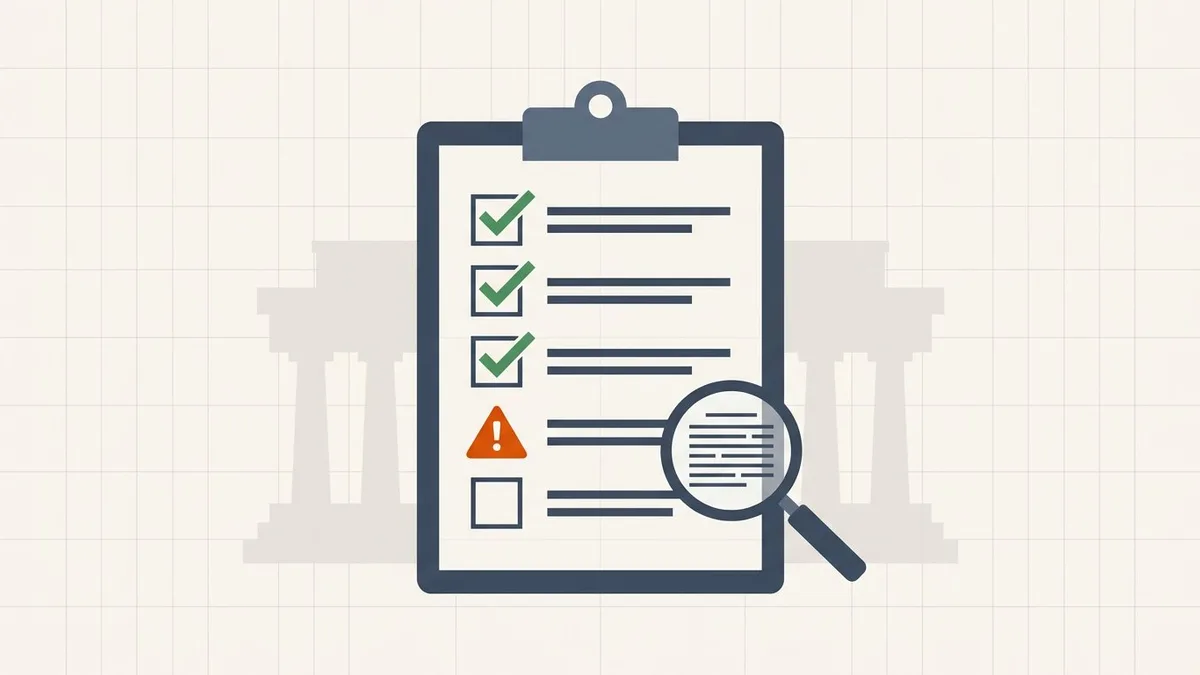
- Format is on the accepted list — no HEIC, Word, TIFF, or ZIP
- File is under the cap for your specific system, with margin
- Related pages combined into one ordered file
- No password protection, no encryption
- Not digitally signed — or compressed before signing
- Every page legible, including stamps and small text
- Confirmed the upload actually attached
Frequently asked questions
What is the file size limit for visa document uploads?
It depends on the system. The US CEAC portal enforces roughly 2 MB per document, IRCC in Canada lists 4 MB on most accounts and 5 MB on the IRCC Portal, the UK's UKVCAS, VFS Global and TLScontact portals range from about 2 to 6 MB by provider, and Australia's ImmiAccount caps each attachment at 5 MB. The upload page in your own account is always authoritative.
Why do government portals reject PDFs that email accepts?
Portals run automated ingestion that validates structure, font embedding, text layers, signatures, format, and filename — not just size. An email server only cares whether the encoded message fits.
How do I get a scanned passport or bank statement under a visa portal's limit?
Scan at 200 DPI — grayscale for text documents, color for passports and photos — rather than the 300 or 600 DPI default, convert HEIC photos to JPG before building the PDF, then compress a copy of the finished file in a browser-local tool and check that stamps, MRZ lines and small print are still legible. A text-heavy statement typically lands well under 1 MB this way.
Can compression cause a portal rejection?
Yes. Aggressive compression can rasterize pages, removing selectable text, flattening fillable form fields, and softening stamps. It also invalidates digital signatures.
What is the single most common cause of a rejected upload?
Format and structure problems rather than size — HEIC photos, ZIP archives, password-protected files, and compressed-but-unreadable scans. Check the error before compressing.
Related comparisons
Source-led comparisons written by BytesPDF, with the conflict of interest disclosed on each page. They link official provider documentation rather than fabricated tests.