
How to Send a Password-Protected PDF Safely (Password Never in the Email)
Encrypting takes thirty seconds; botching the password handoff undoes all of it. The separate-channel rule, done properly, plus the honest limits after delivery.
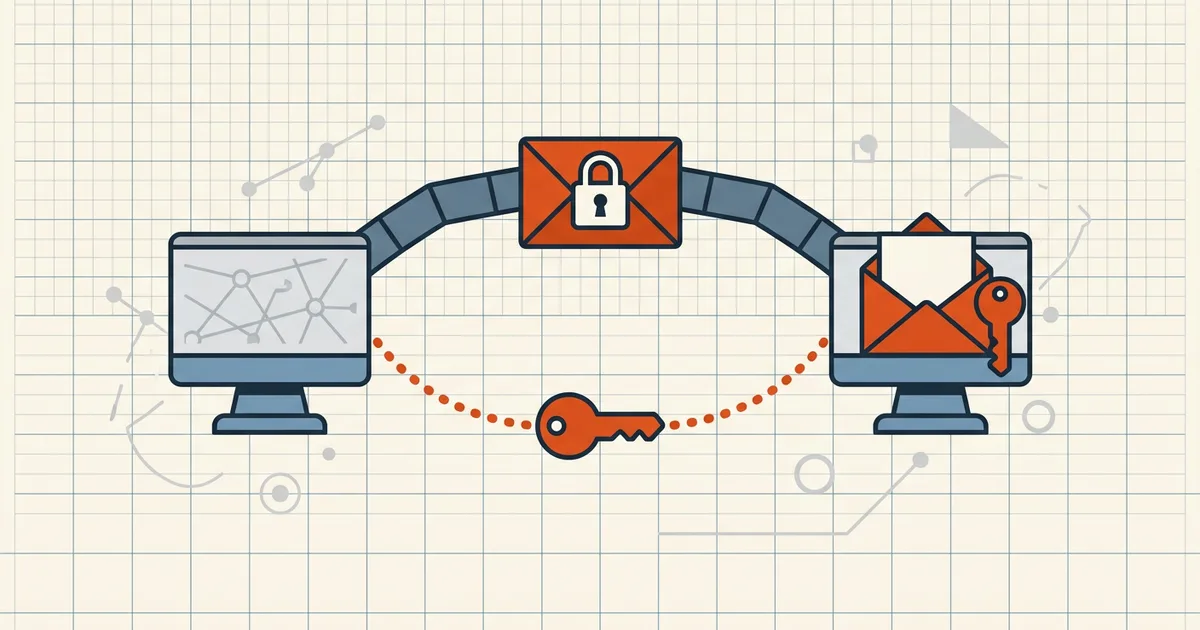
You encrypted the file. Now the part people mess up: handing over the password. The rule is one sentence — the password never travels with the file — and almost every real-world violation is a variation of breaking it "just this once."
The rule, and why it's not paranoid
One email containing the attachment and the password gives every party in that message's future — forwarded threads, breached mailboxes, shared inboxes, device backups, support staff on both ends — both halves of the secret simultaneously. The encryption you just paid attention to protects exactly nothing against that failure mode.
Split the channels and the math starts working: an intercepted or leaked email yields an unreadable blob; the password leak (a text, a call) yields nothing without the file. Two independent things must both fail for the content to exposed.
The delivery ladder (best → minimum-viable)
| Channel | Why it ranks here |
|---|---|
| Verified encrypted messaging (Signal, WhatsApp with check) | Channel has its own identity + transport encryption; not the file's channel |
| Phone call / in person | Strongest identity check — you hear the person |
| Password-manager share (1Password, Bitwarden send) | Time-limited, revocable, audit-friendly |
| Separate SMS | Different carrier path than email; minimum for medium-sensitivity |
| Second email, sent later | Bare minimum — better than nothing, same eventual mailbox risk |
Pick one step above "same email," every time.
Timing and hygiene details that actually matter
- Encrypt first, then send file, then send password (file message first is fine; the order matters less than the separation).
- Don't embed hints in the filename or subject:
Q3-layoff-plan-CONFIDENTIAL.pdfalready leaks context;final-v2.pdfplus out-of-band password leaks less. (Contents aside, what metadata reveals while you're at it.) - Confirm receipt — "did the password arrive?" — before the window when they need the file.
- Retire the pairing when the matter closes: delete the sent copies where you can, and if the document will circulate long-term, re-encrypt with a fresh password (remove the old lock first).
What you're protected against — and what you're not
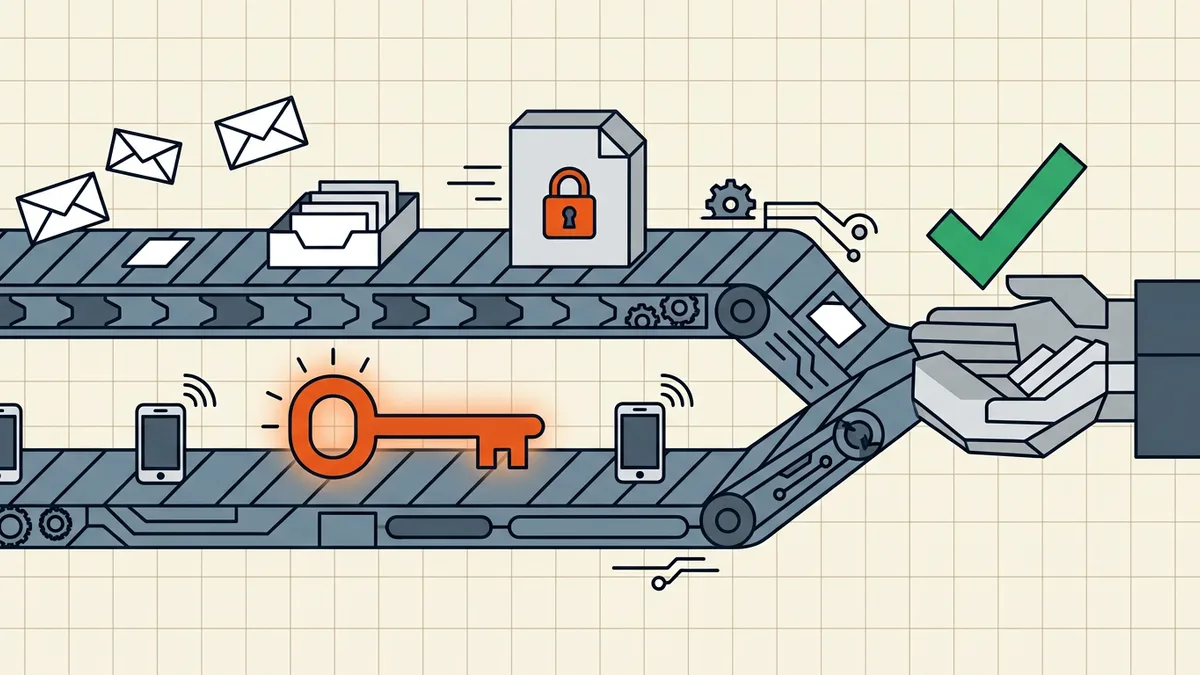
Protected: mailbox leaks, misdirected forwards of the file alone, cloud-synced attachment copies, anyone snooping a single channel. The password lived elsewhere and ideally with a shorter life than your email archive.
Not protected: the recipient re-sharing both halves; screenshots; a device that's already compromised; shoulder-surfing while they type the password. Those are forwarding and workflow problems — encryption was never the right tool for them.
When a password is the wrong tool entirely
If what you actually need is revocable, per-person, auditable access — a link with expiry and named viewers beats a raw file every time; once bytes exist on someone's disk, only friction remains. For documents where both parties must trust integrity later, pair the password with a certificate signature applied last. Passwords keep honest people honest and accidents quiet; signatures make later disputes answerable.
Frequently asked questions
Should I send the PDF password in the same email as the file?
Never. One email holds both the lock and the key — anyone who gets that message (intercepted session, compromised mailbox, shared inbox, forwarded thread) gets everything. Send the password through a different channel: a text, a call, a messaging app, or at minimum a separate email sent at a different time.
What's the best channel to send a PDF password?
A channel with its own identity check beats one that doesn't: a messaging app where you've verified the contact, a phone call where you hear the person, or a password-manager share. Separate email is the minimum viable fix; SMS/call is better; verified encrypted messaging is best for high-sensitivity files.
Can I put the password in a shared document or note instead?
Better than the email, worse than a channel tied to the person: shared notes and cloud docs often have their own link permissions ('anyone with the link'). If you route this way, set access to the specific recipient and expire it after they've opened the file.
How long should a PDF password stay valid?
Passwords on files don't expire — the encryption is permanent. If you need time-boxed access, that's a link-sharing problem, not an encryption problem: share a revocable link instead of a raw file, or re-issue a newly encrypted copy with a new password after the matter closes.
Does password protection actually help if they can just forward both?
It helps in transit and at rest — an unencrypted attachment sitting in three mailboxes is permanently exposed; an encrypted one still needs the password, which lived in fewer places. But once a recipient holds file + password, forwarding is trivial. Encryption limits accidental and bystander exposure; it doesn't bind the recipient ([the honest limits](/blog/stop-pdf-forwarding)).
Related comparisons
Source-led comparisons written by BytesPDF, with the conflict of interest disclosed on each page. They link official provider documentation rather than fabricated tests.